

Our story
We've been building together since we were kids.
Isura and Channa grew up in Kuwait. Their father worked for the US State Department; their mother ran the household. By the time Channa could reach the workbench, they were both soldering PCB boards. By seven they were on rooftops, learning to align satellite dishes by hand.
Boy Scouts. Took apart every piece of electronics in the house. Built with whatever they could find.
By the mid-'90s they had a business — VHS tapes to DVDs, Flash animations for school presentations, LAN gaming networks, audio systems. Whatever someone needed built, they built it. Two kids running a company out of their house, 1996 to the early 2000s.
Then they went different directions.
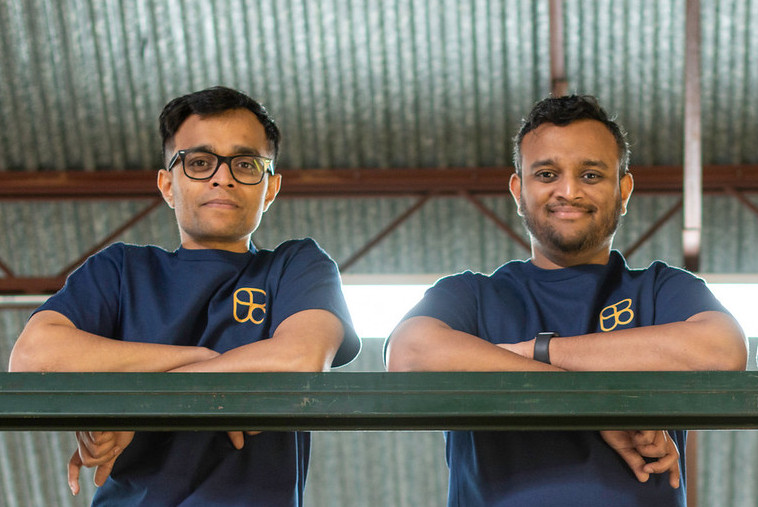
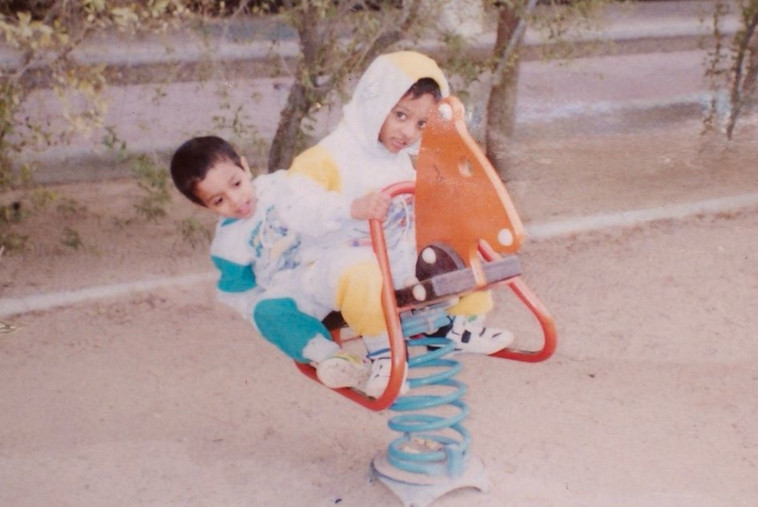
One brother went deep.
The other went wide.
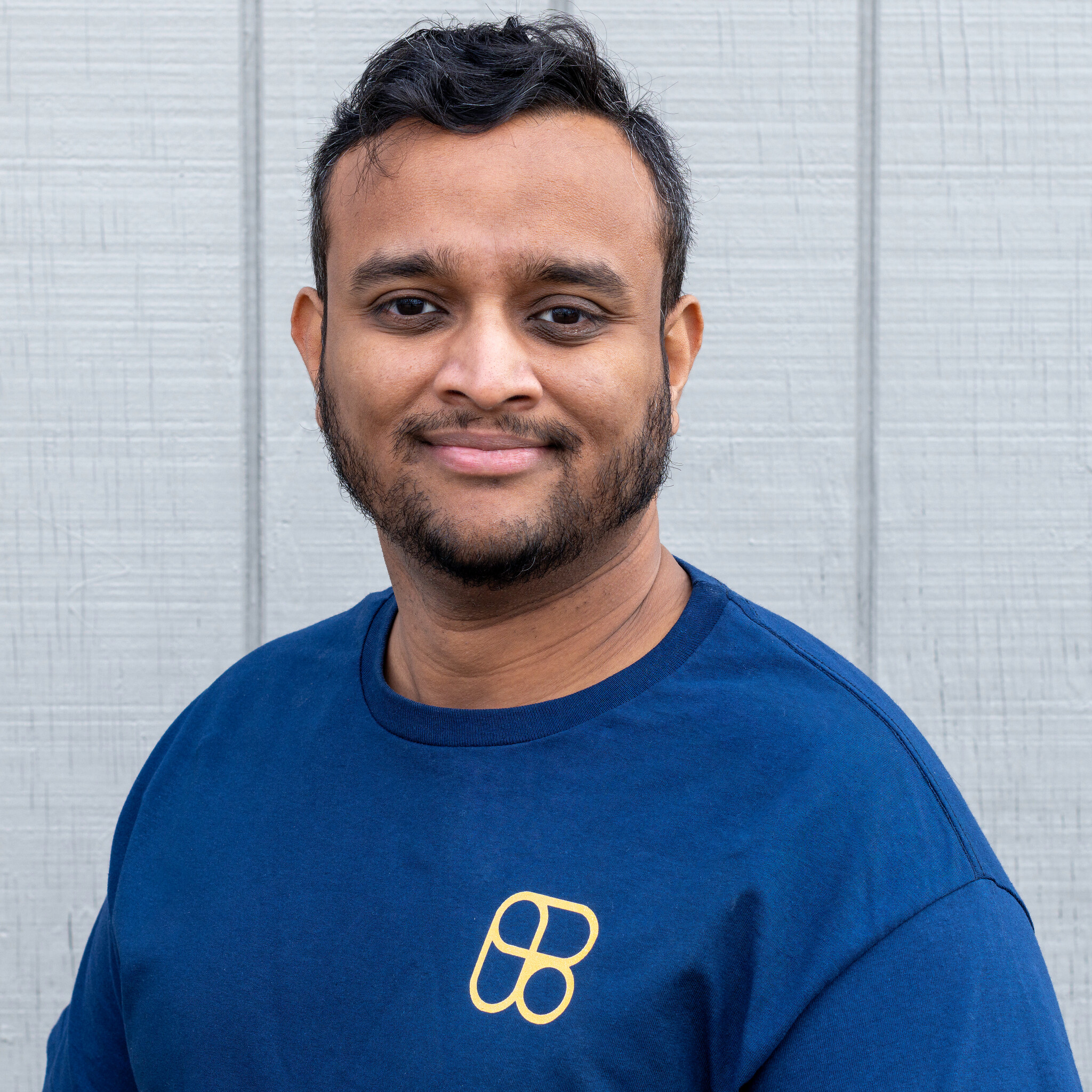
Isura Ranatunga, PhD
Co-Founder
PhD in Robotics & Control at UT Arlington. The DARPA Robotics Challenge in 2013. The Amazon Picking Challenge in 2015. Then Apple — walking factory floors at Foxconn, Pegatron, and others across every product line, then leading calibration systems for Force Touch and the solid-state Home button, technology now inside over a billion iPhones. Built multi-sensor robotic rigs for early Vision Pro R&D. Led research into next-generation automated factories, shaping Apple's long-term robotics roadmap.
First Vision AI deployments on Apple's factory display lines. 26 publications, 720+ citations.
He learned how to make machines see and understand the physical world — and how to ship that work at scale.
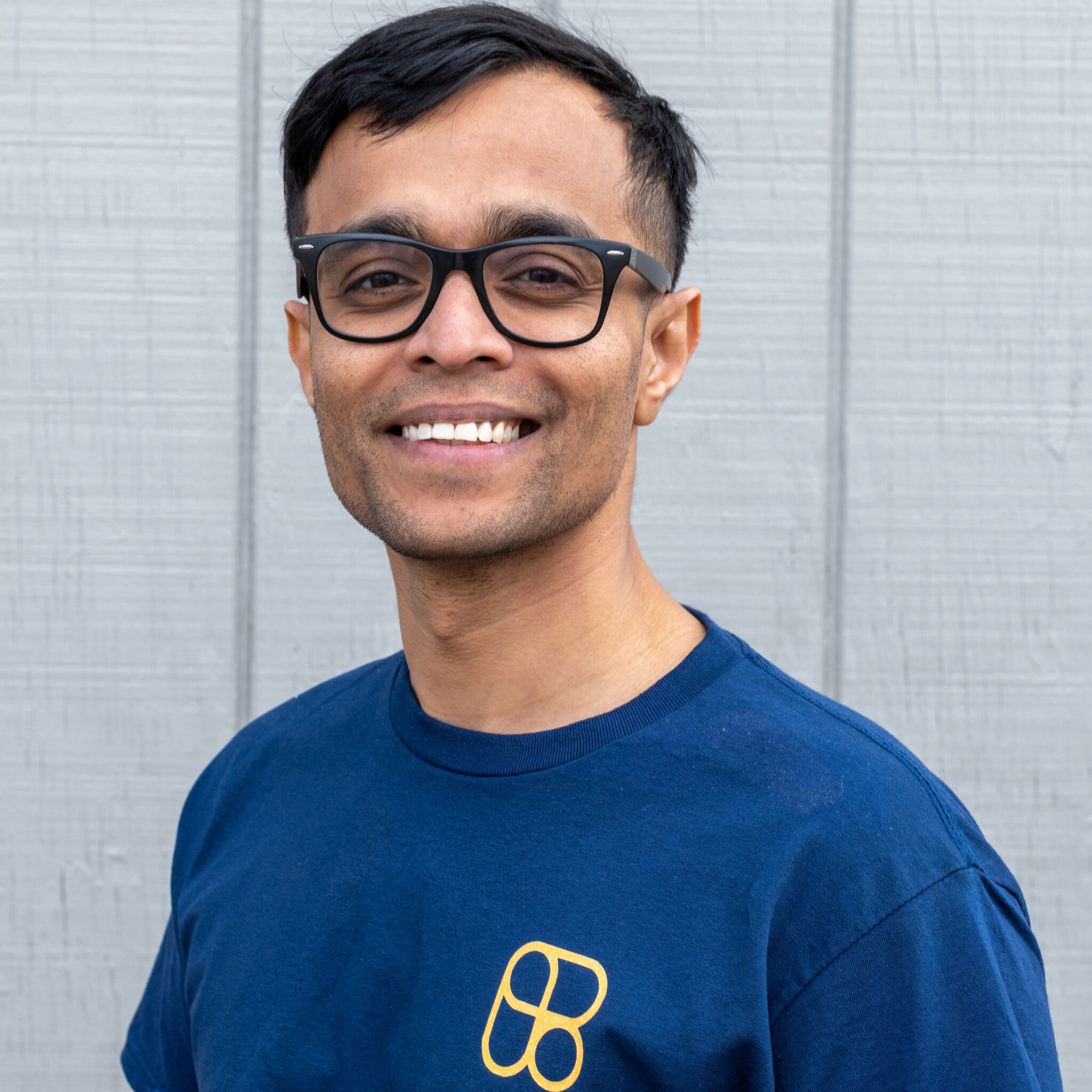
Channa Ranatunga
Co-Founder
Machine vision specialist. Pack-and-ship store owner. Founded a wireless device startup for smart farms. Wired camera systems for the largest cold-storage provider in the US. He didn't study the supply chain — he worked in it, across every layer.
In 2017 he signed up on Wonolo and flew Spirit Airlines from warehouse to warehouse, picking up packing shifts to learn how orders actually get packed. Six different fulfillment operations in three months. Using the gig pay to book the next flight. He came back with something no analyst report could give: what it actually feels like to stand at a station for eight hours and pack boxes.
The insight wasn't that warehouses were broken. It was simpler — billion-dollar systems could tell you what should happen. Nothing recorded what actually happened.
Complexity rarely wins. Simplicity does.
The founding
Nobody was fixing the obvious thing.
By 2018, both brothers expected warehouse technology to have solved the basics. It hadn't.
Clean product dimensions? Often wrong in the WMS. Video evidence for disputes? Doesn't exist. Did the SOP get followed? Nobody knows.
Every system in the warehouse tracked what should happen. Nothing tracked what actually happened. The evidence that determines whether operations succeed or fail — what went in the box, how it was packed, whether the process was followed — vanished the moment it occurred.
They waited for incumbents to fix this. Nobody did.
The founding principle
"Build only when the pain is huge and nobody else is fixing it. Keep it simple."
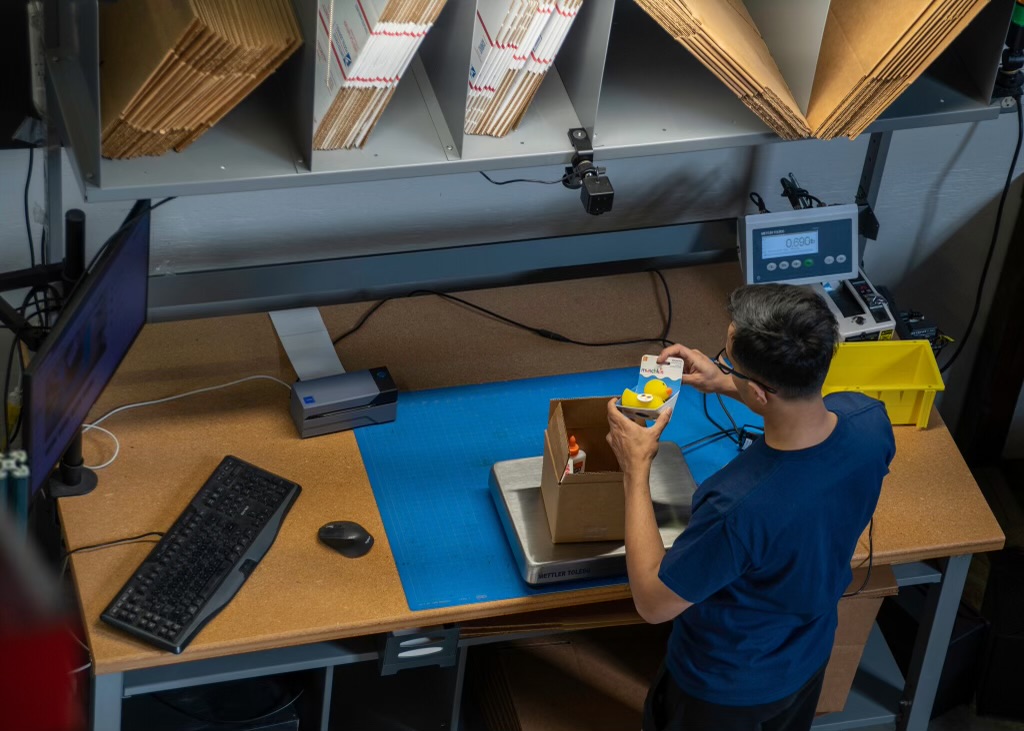
So they started with the simplest possible thing: cameras above pack stations. No robotic arms. No conveyor modifications. No multi-million-dollar CapEx. Cameras that see everything, AI that understands it, and software that makes it actionable.
The numbers
Founded
Items processed
Years of pack data
Trusted by industry leaders.
Exclusive, multi-year agreement for smart pack stations. Ranpak's packaging solutions combined with Rabot's station intelligence.


Spotlighted for "Packaging Visibility": recognized for bringing operational visibility to fulfillment through station-level AI.


Global 3PL partnership: deploying Rabot across Yusen fulfillment operations.


60% QA cost reduction, 71% error reduction, and 33% productivity increase.
Designed in California. Built in Texas.
See what Rabot can do for your operation.
From soldering circuits in Kuwait to Fortune 500 warehouses. The same instinct: find the obvious problem nobody is fixing, build the simplest thing that solves it.